Bedroom furniture encompasses essential pieces designed to enhance rest, organization, and function within the sleeping environment. Key elements include beds, headboards, dressers, nightstands, and seating that support daily routines, climate control, and personal comfort. Understanding materials, construction, and ergonomics helps identify durable options that promote healthy sleep spaces.
Materials and construction impact longevity, comfort, and maintenance. Solid wood frames offer structural stability, while engineered woods provide cost efficiency. Upholstery choices affect tactile experience and durability, with fabrics varying in breathability and cleaning requirements. A thoughtful mix of textures and finishes contributes to a cohesive bedroom aesthetic and practical usability.
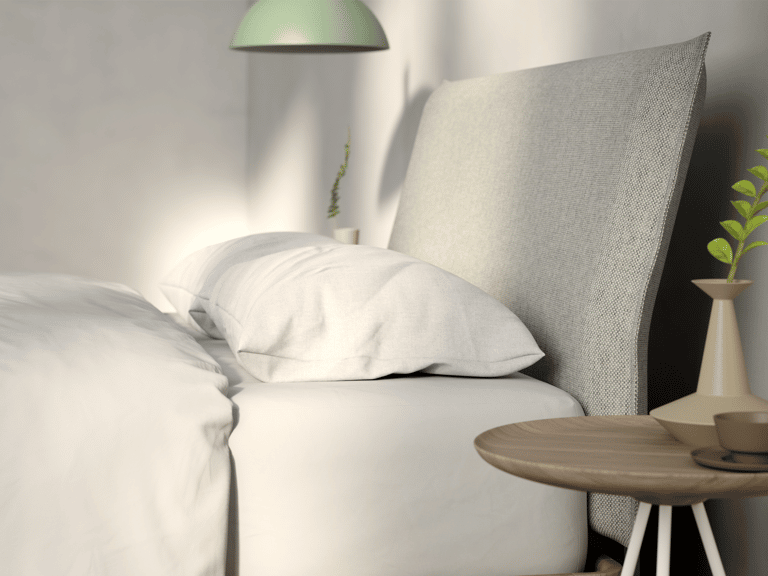
In this category, Pillow Repose Headboard exemplifies how design integrates support with style. Headboards can add back support for reading or watching media in bed, protect walls, and coordinate with mattress firmness. Features to consider include padding density, fabric durability, upholstery depth, and compatibility with bed frames and headboard mounts.
Complementary elements like organic mattresses and organic crib mattresses emphasize comfort and health considerations. Properly chosen bedding, pillows, and mattress types influence spine alignment, temperature regulation, and allergy management. For nursery and infant spaces, safety certifications and hypoallergenic materials reinforce a nurturing environment for restful sleep.
Overall, the bedroom furniture category centers on creating functional, inviting sleep zones. Evaluating product features such as height, depth, storage integration, and ease of maintenance ensures compatibility with room dimensions and daily routines. Understanding how each piece—along with accessories like pillows and bedding—contributes to comfort supports informed decision-making.
 Furniture