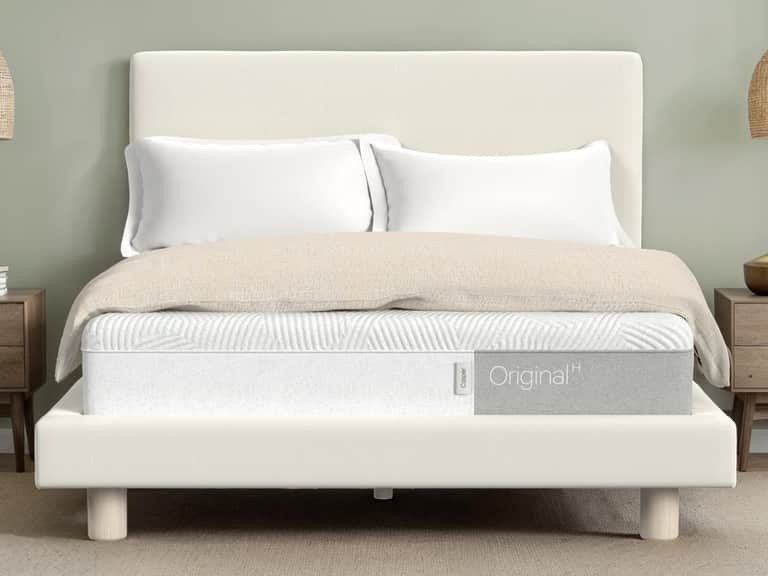
Original Hybrid Mattress
Experience cooler, deeper sleep with Casper Signature Foam and zoned support that aligns your spine, cushions pressure, and adapts to every move for lasting comfort.
A thoughtful, evidence-based exploration of latex mattress toppers, their varieties, and how they influence sleep quality in the Kansas City sleep-health ecosystem. This article expands on the themes of mattress literacy, material science, and local sleep resources to help KC readers evaluate latex toppers without pressure to buy.
Latex mattress toppers sit between your existing mattress and your sheet set, acting as a modular comfort layer. They are prized for resilience, responsiveness, and the ability to preserve surface feel without the deep sinking that sometimes accompanies memory foam. For many sleepers, a latex topper can rebalance firmness, introduce a gentle contour, and support spinal alignment—without compromising air circulation.
In Kansas City, where urban housing often means compact bedrooms and varied mattress ages, toppers offer a practical way to refresh a sleep surface. They can extend a mattress’s life, tailor a bed to changing comfort needs, and provide a non-promotional entry point for readers who want to learn about sleep technology with a KC-local frame of reference.
Latex comes primarily in two processing styles: Dunlop and Talalay. Both originate from the same natural material (or a synthetic variant), but they differ in density, feel, and air permeability, which translates to sleep experience in meaningful ways.
Both forms are known for durability and natural elasticity, but the choice between them should align with sleeping position, weight, and temperature preferences. In KC’s climate, where many sleepers prize breathable sleep surfaces, latex’s inherent breathability can translate to cooler nights, particularly when aligned with a cover and a topper that prioritizes airflow.
To make an informed choice, readers should consider several core dimensions that influence long-term comfort and health outcomes:
Comfort is personal, but the science behind latex offers a common framework for understanding sleep quality gains from toppers. Latex’s natural resilience supports even weight distribution, promoting spinal alignment while reducing localized pressure points. For side sleepers, latex can provide a gentle cradle that relieves shoulder and hip stress. For back sleepers, the right firmness helps maintain a neutral spine, reducing morning stiffness. Stomach sleepers may prefer a firmer surface to reduce midsection sinkage and prevent lumbar sag.
Support and response are integral: latex responds to body movements quickly, minimizing motion transfer while preserving a sense of buoyant stability. This responsiveness can be a boon for restless sleepers, helping reduce night-time repositioning and potentially improving sleep continuity.
Temperature regulation and moisture management intersect with sleep biology. Latex’s airy structure and open-cell possibilities enable air flow across the surface, helping dissipate heat. When KC readers pair latex toppers with breathable covers and proper room ventilation, the result can be a noticeable improvement in thermal comfort during hot Kansas City nights or sultry late summer weeks.
Understanding latex toppers sits at the intersection of sleep science and everyday consumer decisions. KC readers benefit from a local lens that connects the science to community resources—libraries with sleep-health pamphlets, sleep clinics for therapies and assessments, and university-led sleep research that sometimes includes community partnerships. In a city known for its educational and healthcare infrastructure, latex toppers become a practical tool in the sleep health toolkit, not a brand-led promotion.
For non-promotional readers, the goal is to cultivate a habit of critical evaluation: reading product labels carefully, seeking independent reviews, and consulting sleep professionals when sleep disturbances arise. In Kansas City, local sleep health resources can provide credible guidance about mattress-related decisions, including toppers, without commercial pressure.
To anchor this discussion in a broader intellectual history, consider these three influential figures from different eras who each left a lasting imprint on how we think about materials, comfort, and sleep quality:
These figures, spanning myth, invention, and contemporary thought, remind us that a latex topper is not just a product—it's a node in a long chain connecting physiology, environment, and culture. KC readers benefit from recognizing that the choice of topper sits within a broader narrative about sleep health and informed consumerism.
In the KC sleep-health context, a straightforward framework helps readers decide without pressure. This approach blends research-backed principles with local relevance:
When reading about toppers, it helps to have a concrete product in a nearby reference frame. The Original Hybrid Mattress, featuring Casper Signature Foam with Zoned Support, represents a pinnacle of hybrid design—combining foam and springs to deliver targeted comfort and spine alignment. While this article is not a sales pitch, acknowledging established products helps readers compare the assurances of a topper’s impact on surface feel with a known benchmark in sleep engineering.
Visualizing a topper layered over a hybrid mattress can clarify how surface changes affect pressure distribution and motion isolation. For KC readers, the takeaway is not to chase a single brand but to understand how materials interact within the sleep system, then translate that understanding into a purchase decision that aligns with personal preferences and local resources.
Laid-back comfort and support
Latex toppers offer resilience and quick recovery while preserving contour where needed.
Breathability matters
Open-cell structure and natural covers promote airflow for KC’s seasonal humidity.
Kansas City readers benefit from tying sleep-literacy efforts to local institutions. Consider exploring:
As the city grows its knowledge economy around wellness and home living, latex toppers become part of a broader conversation about sustainable comfort, housing design, and personal health. The aim is to empower readers to evaluate materials with curiosity and critical thinking, rather than chasing a marketing promise.
A latex topper can be a meaningful upgrade for many sleepers, offering balanced support, responsive contour, and breathable comfort. For Kansas City residents, the topper represents more than a product—it is a bridge to better sleep literacy, anchored in a city with robust educational and health resources. By understanding the Dunlop vs. Talalay distinction, the impact of density and thickness, and the practical steps for care, KC readers can approach latex toppers with clarity and confidence.
Finally, this article has sought to present a non-promotional, evidence-based framework that respects the reader’s autonomy. It invites you to test ideas against your own sleep patterns and local resources, while keeping the spirit of KC curiosity alive: a city that values knowledge, community, and a good night’s rest.
Casper Signature Foam and springs deliver a balanced sleep surface with zoned support for targeted comfort.
Price: $1095.00
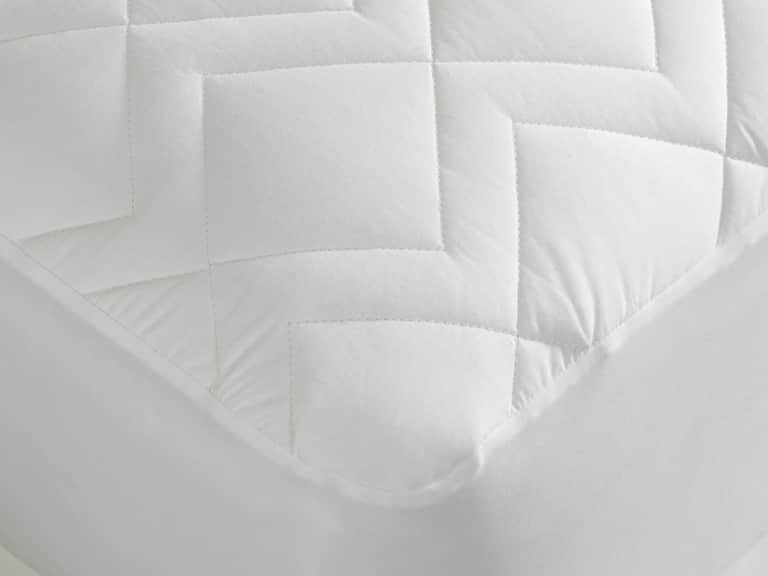
Breathable foam topper available in 2- or 3-inch thickness to tailor pressure relief.
Price: $155.00
Images above are representative examples. Official product imagery can be displayed when embedding in a live site with proper licensing.